 QuickNotes

The usual study advice assumes you have a little room between classes: review your notes right after, while it's fresh. On a genuinely back-to-back day, that room doesn't exist. By the time class three ends, you haven't processed class one, two, or three, and class four is already starting. The problem on days like this isn't which study method to use — it's finding any slot at all, and then deciding what to do with it when it's only ten minutes long. Here's a plan for getting through a day with no gaps, and a way to catch up afterward without losing the evening to it.
Why back-to-back days quietly pile up
One missed review doesn't feel like much on its own. The trouble is that a back-to-back day gives you four or five of them at once, and the backlog compounds: by evening you're not reviewing one lecture, you're trying to reconstruct four. That's a much bigger job than any single one would have been, which is exactly why it gets put off — and why the material from a packed day is often the shakiest come exam time. A spaced review schedule only works if something actually gets reviewed close to when it was learned, and a back-to-back day is the day most likely to break that schedule entirely, not just delay it by an hour.
It also compounds across the week, not just within one day. If Monday's back-to-back schedule leaves four lectures unreviewed, and you don't build in a dedicated slot to deal with them, that backlog is still sitting there when you sit down to plan a wider study schedule for midterms a few weeks later — except now it's mixed in with three other weeks' worth of the same problem.
Before class: cut your setup time to zero
If every transition is a sprint to the next room, don't spend any of it deciding how you'll take notes. Decide once, the night before: the same template for every class that day (a blank outline, a split page, whatever you already use), already open or printed, so you're not making a formatting decision while you're also finding a seat. The same goes for your materials — one bag, a charged phone, everything you need for all four classes, packed the night before so a ten-minute gap isn't spent digging for a charger or a missing notebook. None of this saves much time on its own, but on a day with zero slack, five minutes lost to setup four separate times adds up to a real gap you didn't have to lose.
During class: capture now, process later
On a normal day you can half-process as you go, because you'll review soon after. On a back-to-back day, treat every class as pure capture: get down what was actually said, in full sentences you'll still understand hours from now, not shorthand that only makes sense right after the lecture ends. If recording is allowed at your school, this is the change that helps the most — a recording means the capture step can't fail, because you're not relying entirely on what you managed to write in real time while also half-thinking about the next class. Reviewing the full lecture later, instead of a partial set of notes, is the difference between an accurate review and guessing at what you missed — and if it's recorded, turning that recording into a transcript and summary afterward takes the guessing out of it entirely.
Use the gaps you do get, for one job only
Even a genuinely packed day usually has one or two short gaps somewhere — walking to the next building, waiting for a room to clear, a professor running a few minutes over so the next class starts late. That's not enough time for a real review, so don't try to force one. Use it for exactly one thing: skim the headings or bullet points from the class you just left, and mark anything that doesn't make sense yet while it's still recent. You're not learning the material in that gap, you're building a short list of what to actually focus on later, so the real review doesn't start from a blank page and a vague sense that something was confusing.
After the last class: a 20-minute reset, not a full review
When the backlog is four classes deep, trying to fully review all of them in one sitting is how the whole thing gets abandoned halfway through. Instead, spend about 20 minutes doing a reset pass across all four: pull up the marked questions from each gap, answer the ones you can from memory, and sort what's left into "needs five more minutes tonight" versus "can wait until a proper review later this week." This is a triage step, not a study session — its only job is making sure nothing from the day gets permanently lost, which matters more than any single class getting a deep review the same night it happened.
If one of the day's lectures turns out to need more than a quick reset — a dense topic, a professor who talks fast, a class you were too tired to capture well — that's the one to turn into a transcript and work from directly rather than trying to rebuild it from thin notes days later.
A sample back-to-back day
- Night before: same note template open for all four classes, bag packed, phone charged.
- Classes 1-4: capture only — full sentences or a recording, no in-class review attempted.
- Any short gap between classes: skim the last class's headings, circle what's unclear.
- End of day, about 20 minutes: reset pass across all four classes, answer what you can from memory, sort the rest.
- Later that week: a real review of whatever got sorted into "needs more time," on a day that isn't also back-to-back.
None of this requires more hours in the day, and it doesn't require a faster way to write notes either. It just moves the processing step to where there's actually room for it, and keeps the in-class time focused on the one job it can reliably do: getting an accurate record down, so there's something real to review later instead of trying to remember four separate lectures from memory alone a week after the fact.
Frequently asked questions
Should I try to review notes between every class on a back-to-back day?
Not fully. A 10-minute gap is too short for a real review but long enough for one specific task: skim the headings of the class you just left and circle anything that doesn't make sense yet, so you know exactly what to come back to later instead of re-reading everything.
What if I genuinely have zero minutes between any of my classes?
Then the processing has to move to the end of the day. The goal during class shifts from "review as you go" to "capture cleanly enough that reviewing later doesn't take long" — full sentences in your notes or a recording of the lecture, not shorthand you'll have to decode hours afterward.
Turn the last gap of the day into a real review, not more reading
The fastest way to lose a back-to-back day is spending your one free slot trying to re-read four classes' worth of notes. QuickNotes can turn a recorded lecture into a transcript, a summary, and flashcards or a quiz automatically, so the 20 minutes you do get goes into active review instead of re-reading. Free to download on iPhone, an account is needed for transcription, and the free plan covers 10 minutes of recording a month. Always check your school's recording rules before recording a class. Try it free.
Download for iPhoneRelated reading
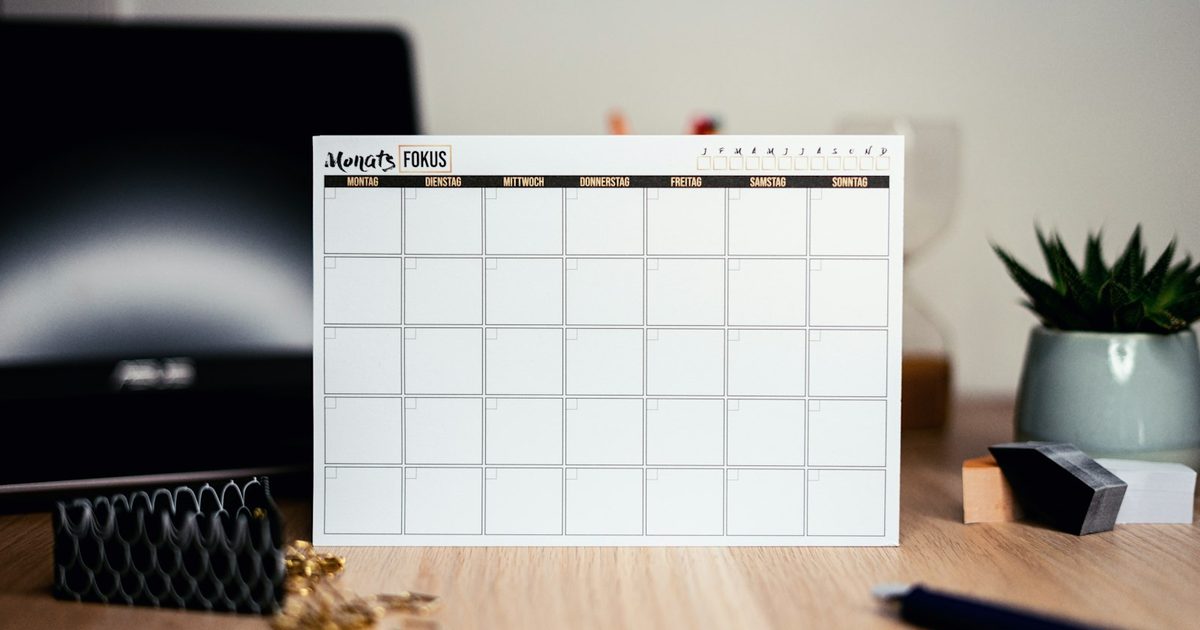
A Realistic Study Schedule for Midterms (3 Weeks Out)
A week-by-week study schedule for midterms that starts three weeks out, built around short daily sessions instead of one long cram.
Read article →
How to Review Lecture Notes After Class in 15 Minutes
A simple 15-minute routine to review lecture notes right after class, before the material goes cold.
Read article →
Spaced Repetition Schedule: When to Review (Day 1, 3, 7, 14)
A simple day 1-3-7-14 schedule for reviewing flashcards, and how to build the cards without extra work.
Read article →