 QuickNotes
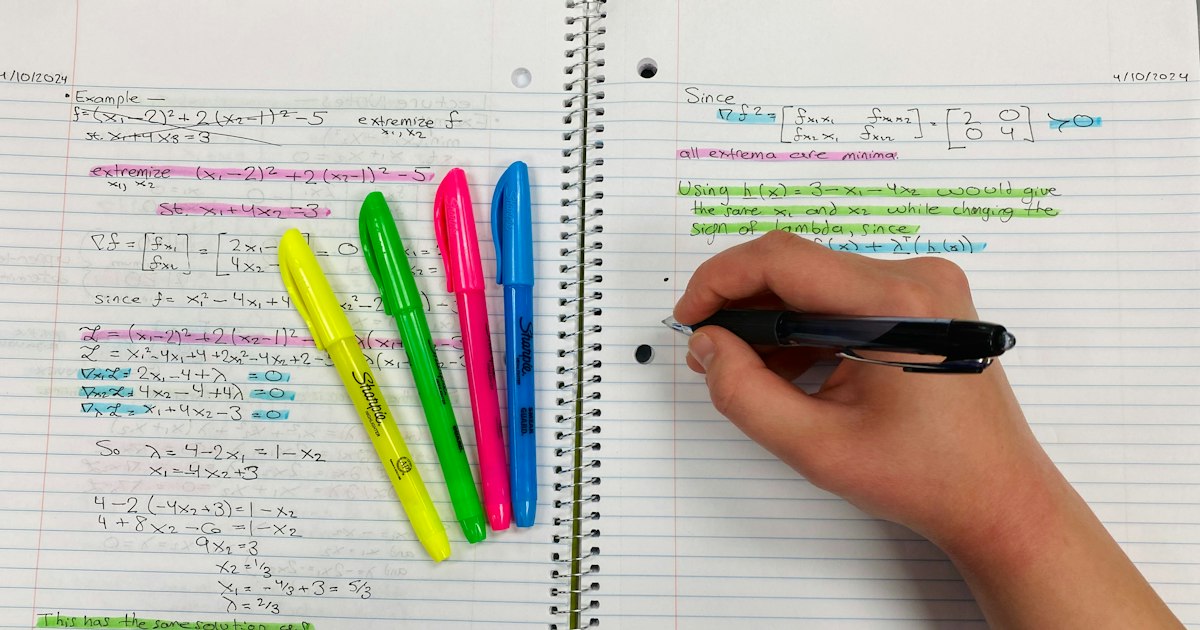
A page covered in yellow highlighter looks like proof you studied. It isn't. Highlighting marks a sentence as important, but marking it doesn't make you able to produce it later with the book closed, and producing it with the book closed is the only thing an exam actually asks for. If you've spent an evening re-marking the same chapter and still blanked on the exam, the highlighter isn't the problem you think it is — it's that the whole technique was never testing anything in the first place.
Recognition is not recall
Dragging a highlighter across a line requires you to recognize that the sentence looks important — you don't have to retrieve anything from memory to do it, you just have to notice it's there. Recognizing a fact when it's sitting in front of you and recalling that same fact from a blank page are different skills, and an exam almost always tests the second one. That's the actual mechanism behind "highlighting doesn't work": it's not that the technique is lazy, it's that it never asks your brain to do the one thing — retrieval — that the exam is going to ask for.
The fluency illusion: why it feels like it's working
Rereading a highlighted page feels smooth and familiar, and that smoothness gets mistaken for understanding. Psychologists call this the fluency illusion — the easier something feels to process, the more confident you feel about knowing it, even when that confidence has nothing to do with whether you could reproduce it unaided. Real retrieval, the kind a self-written quiz forces, feels harder and slower in the moment, specifically because it's doing real work. The discomfort of not immediately knowing an answer is a sign the method is working, not a sign to go back to something easier.
What the research actually rates highly
A widely cited 2013 review of ten common study techniques rated highlighting and rereading among the least effective, and rated two techniques at the top: practice testing (retrieving answers from memory, then checking them) and distributed practice (spacing that retrieval out over days instead of cramming it into one sitting). Neither requires special tools. Practice testing can be flashcards, a self-written quiz, or simply closing the notes and saying out loud what the last page covered. Distributed practice just means doing that retrieval on a schedule across several days rather than once, the night before.
A replacement workflow you can start today
- Close the chapter and summarize it from memory first. Before you touch a highlighter, write down everything you remember without looking. The gaps in that summary are more useful than anything a highlighter could ever mark, because they show you exactly where your memory actually fails.
- Turn the gaps into questions, not more notes. For every gap you find, write a short-answer question about it instead of rereading the section to patch the gap. A lecture transcript makes this faster, since you can scan for the exact sentence you missed instead of re-skimming a whole chapter.
- Quiz yourself on those questions a few days later, not the same day. Answering a question five minutes after you wrote it barely tests anything, because it's still sitting in short-term memory. Coming back after a gap is what makes the retrieval real.
- Track misses, not hits. Keep a running list of what you get wrong across quizzes. That list is your actual study plan for the next session, and it shrinks every time you genuinely close a gap. This is really the same habit behind good active recall — closing the book and producing the answer cold, just applied to different material.
The one legitimate use left for a highlighter
A highlighter isn't useless if you demote it from "study method" to "filing step." Marking the handful of lines you'll turn into quiz questions later, or the formulas you'll need on a cheat sheet, is a reasonable way to flag material for the real work that comes next. The mistake is treating the marking itself as the studying, then closing the book and calling it a session. If you catch yourself feeling satisfied the moment the page turns yellow, that's the exact point to put the highlighter down and start testing yourself instead.
Digital highlighting has the same problem
Highlighting a PDF or an e-reader page doesn't fix anything, even though it feels more modern. The underlying mechanism is identical: tapping a sentence to mark it yellow is still recognition, not recall, and a synced highlight you can search later is still just a faster way to find the sentence again, not a faster way to remember it without looking. An app that turns digital highlights straight into flashcards runs into the same trap one level up — if the original highlight was a recognition-only pass on a heading or a definition, the card made from it tests the same shallow thing. The fix is the same one either way: write the question yourself, from a real gap in your memory, instead of from whatever you happened to mark while reading.
What this looks like a week before an exam
Picture two students with the same lecture notes a week out. One spends the evening re-highlighting the slides in a second color, feeling productive the whole time. The other closes the slides, writes down everything they remember in five minutes, turns the three things they blanked on into questions, and quizzes themselves on those three things two days later. The second student did less total reading, but every minute of it was retrieval, the actual skill the exam will test, instead of recognition dressed up as effort. By the time the exam arrives that difference compounds: one student has reread the same material four or five times without ever being forced to produce it cold, and the other has already failed and fixed the same three gaps under exam-like conditions, which is a far better rehearsal for the real thing.
Frequently asked questions
Is highlighting completely useless?
Not quite — it's fine as a quick way to flag which lines to turn into quiz questions or cheat-sheet entries later. The problem is treating the marking itself as studying, instead of the retrieval that should come after it.
What's the fastest replacement for a highlighting session?
Close the material and write down what you remember first, then turn whatever you missed into short questions and quiz yourself on them a few days later, rather than the same day.
Skip the highlighter, go straight to a quiz
QuickNotes turns a recorded lecture into a transcript, a summary and a quiz built from what was actually said, so you can test yourself on the real material instead of re-marking a page. Free to download, an account is needed for transcription, and the free plan covers 10 minutes of recording a month. Check your school's recording rules before you record a class. <a href="https://www.quicknotesapp.io/go?c=blog_highlighting">Try it free</a>.
Download for iPhoneRelated reading
10 Active Recall Examples for Students (With How to Do Each One)
Ten concrete, specific ways to practice active recall, from blank-page dumps to writing your own exam questions.
Read article →
How to Make a Quiz From Your Own Notes
Turn your own notes into a real quiz — one that can actually catch what you don't know, not just confirm what you do.
Read article →
Spaced Repetition Schedule: When to Review (Day 1, 3, 7, 14)
A simple day 1-3-7-14 schedule for reviewing flashcards, and how to build the cards without extra work.
Read article →