 QuickNotes

One missed lecture rarely sinks a grade by itself. What actually causes damage is the version where you tell yourself you'll "catch up later," let a week pass, and show up to the next class having never closed the gap — now two lectures behind instead of one, and the material has kept building on top of what you missed. The fix isn't complicated, but it does take an actual plan, not just a vague intention to "look at it eventually." Here's what to do, in order, starting with getting an accurate record of what happened in the room rather than a half-remembered secondhand account.
Get the real material first, not just someone's summary of it
Borrowed notes are a filtered version of the lecture — filtered through what your classmate personally found important, how fast they could write, and what they happened to be paying attention to at the time. That's useful as a starting point, but it's not the same as the actual content. Before you do anything else, check whether the instructor posted slides, readings, or a recording to the course page — many courses already have some of this available and skipping that step means redoing work that's already done for you. If a recording exists (the professor's own, or a classmate's with your school's rules followed), that's the most complete version of what was actually said, including the asides and clarifications that rarely make it into anyone's handwritten notes.
If no recording exists and you're relying on a classmate's notes, treat them as a map, not the territory: use them to find the topics and the order they were covered in, then fill in the actual explanations from the textbook or course readings rather than assuming the five bullet points you were handed are the whole lecture — the same gap that shows up when taking notes in a lecture that moves too fast to write everything down in the first place.
Worth trying: if a classmate's recording of the lecture is available and your school's recording rules allow it, turning it into a transcript and a summary gets you a complete, searchable record of what was actually said — closer to having been in the room than a handful of someone else's bullet points.
Figure out what you actually missed, not just how long the lecture was
A 50-minute lecture you missed is not 50 minutes of catch-up work — it might be 10 minutes of material you already half-know from the reading, and 20 minutes of a single concept the professor spent a long time on because it's genuinely hard. Skim whatever material you've gathered (slides, notes, or a transcript) once, specifically to sort what's new from what's review, before you sit down to actually study it. This matters because treating every missed lecture as equally dense is exactly what makes catching up feel impossible — most of the time it isn't, you just haven't looked yet to find out.
Spread it out — don't cram it into one sitting
If you missed more than about an hour of real material, you're very unlikely to absorb all of it properly in one sitting right before the next class, and trying to usually means you show up having technically "reviewed" it without actually retaining much. Split the catch-up into two or three shorter sessions instead of one long one, ideally with a day of separation between them — the spacing itself helps the material stick better than cramming it in one block, the same principle behind spacing out any review of material you're trying to actually keep, not just relearn for one test.
Know what's actually worth asking your professor
Office hours (or a short email) are for the specific thing you genuinely can't resolve from the material alone — a concept that doesn't make sense even after reading the notes and the textbook section, or a question about what you should prioritize if you missed something foundational. They're generally not the place to ask someone to re-teach the whole lecture from scratch; most instructors will do a lot for a student who shows up having clearly already tried, and much less for one who hasn't. If your absence was excused, or your school has a documented make-up policy, check the syllabus first so you're not guessing — and if the policy is unclear, that's a legitimate, specific thing to ask about rather than a vague "I missed class, what do I do."
Check that you actually caught up, not just read through it once
Reading or watching the missed material once tells you it looked familiar, not that you could use it on an exam — the same gap that makes rereading and highlighting feel like studying without actually being it. Close the material and try to explain the lecture's main point out loud or in writing, in your own words, as if you were catching up a friend who missed it too. Wherever that explanation gets shaky or vague is exactly where you're not actually caught up yet, even if the material felt familiar while you were looking at it — and that's the specific part worth a second pass, not the whole lecture again from the top.
Checklist: missed a lecture
- Check the course page first for slides, readings, or a recording before asking anyone for their notes.
- If you're relying on a recording, turn it into a transcript and summary rather than just replaying it once.
- Skim first to separate what's genuinely new from what's review — don't treat the whole lecture as equally dense.
- Split catch-up across two or three shorter sessions, not one long cram session right before the next class.
- Save office hours for the specific thing you can't resolve alone, after you've actually tried.
- Explain the lecture's main point out loud from memory to check you've actually caught up, not just skimmed it once.
None of this requires turning one missed class into a crisis. The actual risk isn't the lecture you missed — it's letting the gap sit untouched long enough that the next few lectures start building on material you still don't have, which is what makes a single absence compound into something much harder to recover from.
Frequently asked questions
Is it okay to just use a classmate's notes to catch up on a missed lecture?
It's a reasonable starting point, but treat it as a map, not the full material — it's filtered through what they personally noticed and could write down in time. Fill in the actual explanations from the textbook, course readings, or a recording if one exists, rather than assuming their notes are the whole lecture.
How long should catching up on one missed lecture actually take?
It depends how much of the material was genuinely new versus already-familiar review, not the full length of the class. Skim first to sort the two apart, then plan two or three shorter sessions instead of one long cram session right before the next class.
Catching up starts with an accurate record of the lecture
Borrowed notes are someone else's summary of what they thought mattered. If a classmate recorded the lecture (and your school's recording rules allow it), QuickNotes can turn that recording into a transcript, a summary, and flashcards or a quiz afterward, so you're studying the actual lecture instead of a secondhand version of it. Free to download on iPhone, an account is needed for transcription, and the free plan covers 10 minutes of recording a month. <a href="https://www.quicknotesapp.io/go?c=blog_missedlecture">Try it free</a>.
Download for iPhoneRelated reading
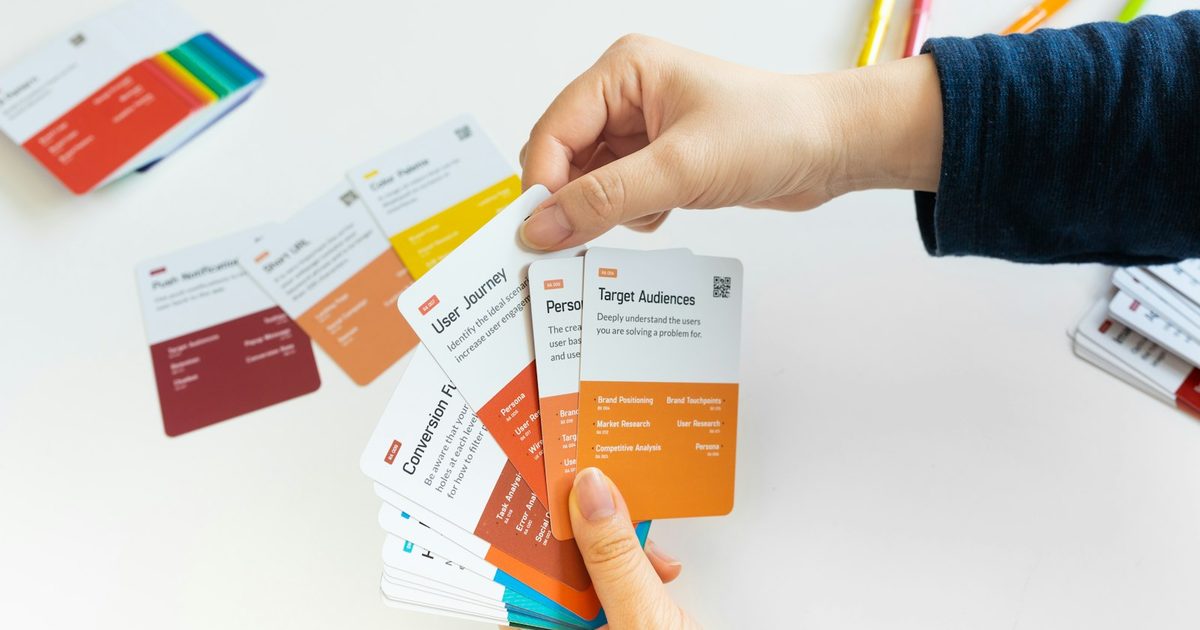
Spaced Repetition Schedule: When to Review (Day 1, 3, 7, 14)
A simple day 1-3-7-14 schedule for reviewing flashcards, and how to build the cards without extra work.
Read article →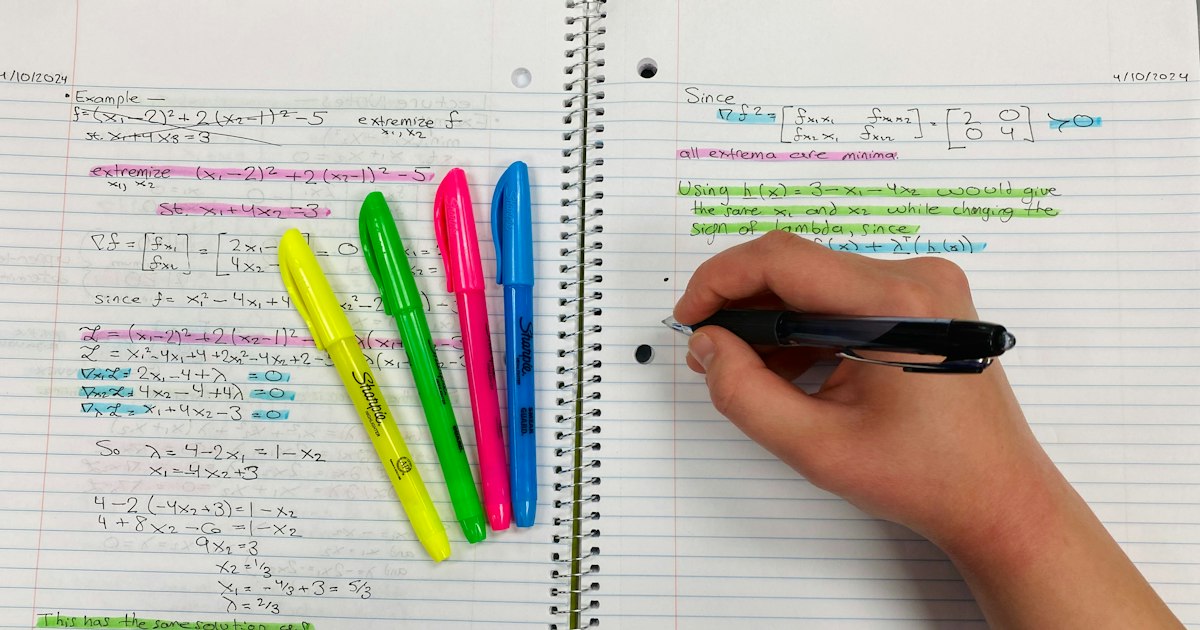
Why Highlighting Doesn't Work (and What to Do Instead)
A bright yellow page feels like progress. Here's why it rarely helps you on the exam, and what to do with a highlighter instead.
Read article →
How to Take Notes in a Fast Lecture (and What to Do When You Fall Behind)
Keeping up with a fast lecture is a different skill from writing neat notes at home — here's what actually works in the room, and what to do once you've already lost the thread.
Read article →